TO MASK OR NOT TO MASK
Is Everyday Masking Still Necessary?
BY BRIDGET REXHAUSEN PHOTOS BY HENRY DAY

For many Western countries in 2019, it would have been unfathomable to step outside in a facial covering. Due to the COVID-19 pandemic of 2020, this became the reality for many.
Masks have existed for years, far beyond the most recent pandemic. They had an array of uses, from entertainment to cultural value to avoiding pollution. In early 2020, a new type of mask found its way to the forefront of the global market. Cloth masks, made by large retailers, designers, and individual Etsy shops, were everywhere following the shortage of N95 masks. Now, almost four years later, what’s next for face masks? The global pandemic may have altered public perception of masking, but the future of these practices has become very complicated.
A Lifeline for Retailers
During the global shutdown of 2020, factories were no exception to halting operations, and clothing retailers struggled for profit. Many of the latter turned to masks as a way to pad their bottom line, according to Lisa Williams, a Ohio University professor of instruction in retail and fashion merchandising.
“[Masks] did help with some production that couldn’t be done in factories because the factories were shut down,” Williams said.
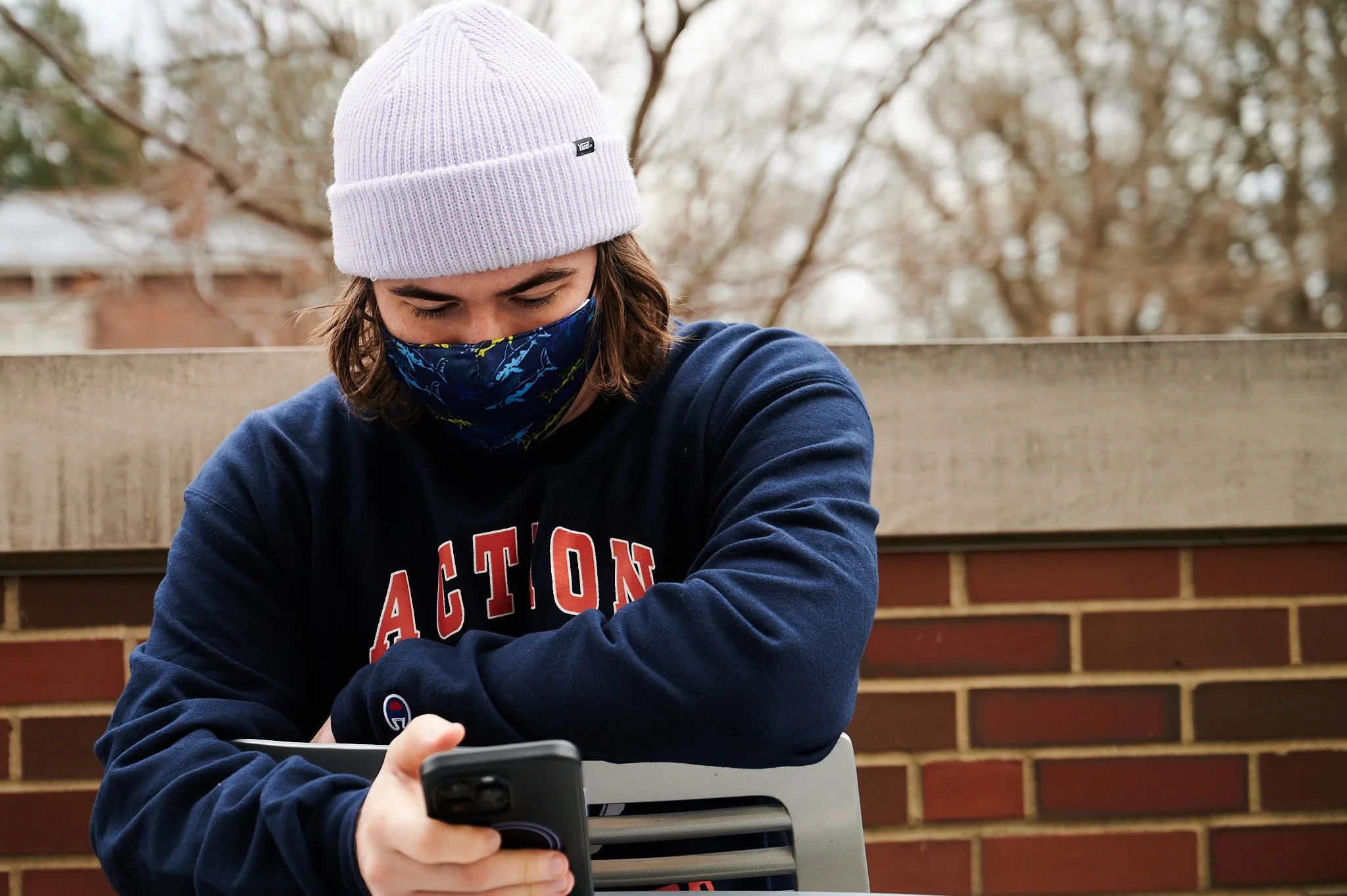
Out of this arose the very popular cloth masks that were so commonly seen in the two years following the initial outbreak. As a result, these masks became a fashion statement in addition to a necessity of a new reality.
“I think there's a lot more customization and different style options,” Noor Hamidullah, a first-year design student at Kent State University, said.
The excess of options made it easy to remain fashionable and express oneself, even while practicing safety measures.
New Normal or Never Again?
Prior to the COVID-19 outbreak, many Asian countries, notably Japan and Taiwan, had been masking for nearly two decades already. According to Voice of America, Japanese norms have long supported masking when feeling unwell in order to prevent the spread of any illness. Taiwanese citizens have also warded off sickness through masking but also can be found sporting masks to prevent sunburn and avoid inhaling polluted air.
Conversely, no such norm has or does exist in Western culture, even after the 2020 pandemic. While not as popular, some students do continue to mask, notably Taylor Robinson, a third-year creative writing major at Ohio University.

“It varies [about masking preferences], mostly I just wear to class or places where I know it's going to be quite crowded, and there's been campus colds going around,” Robinson said. “I'd rather avoid that if I can.”
When asked about masking at Kent State University, Hamidullah also cited flu season and common illnesses as reasons for continued masking. Hamidullah mentioned fashionable masks are often made of cloth, but many, including Robinson, prefer the N95 masks, because they are specifically for medical use.
“Those masks, from a textile science background, are not as effective in preventing the spread of the virus [as N95s],” Williams said. “They are good if you are sick yourself, and then it keeps any water particles that you might cough or sneeze from going to somebody else, but it doesn't necessarily protect you.”
Despite adding flair to an outfit, fashionable masks require some improvements to become a viable alternative to their N95 counterparts.
The Future of Masks
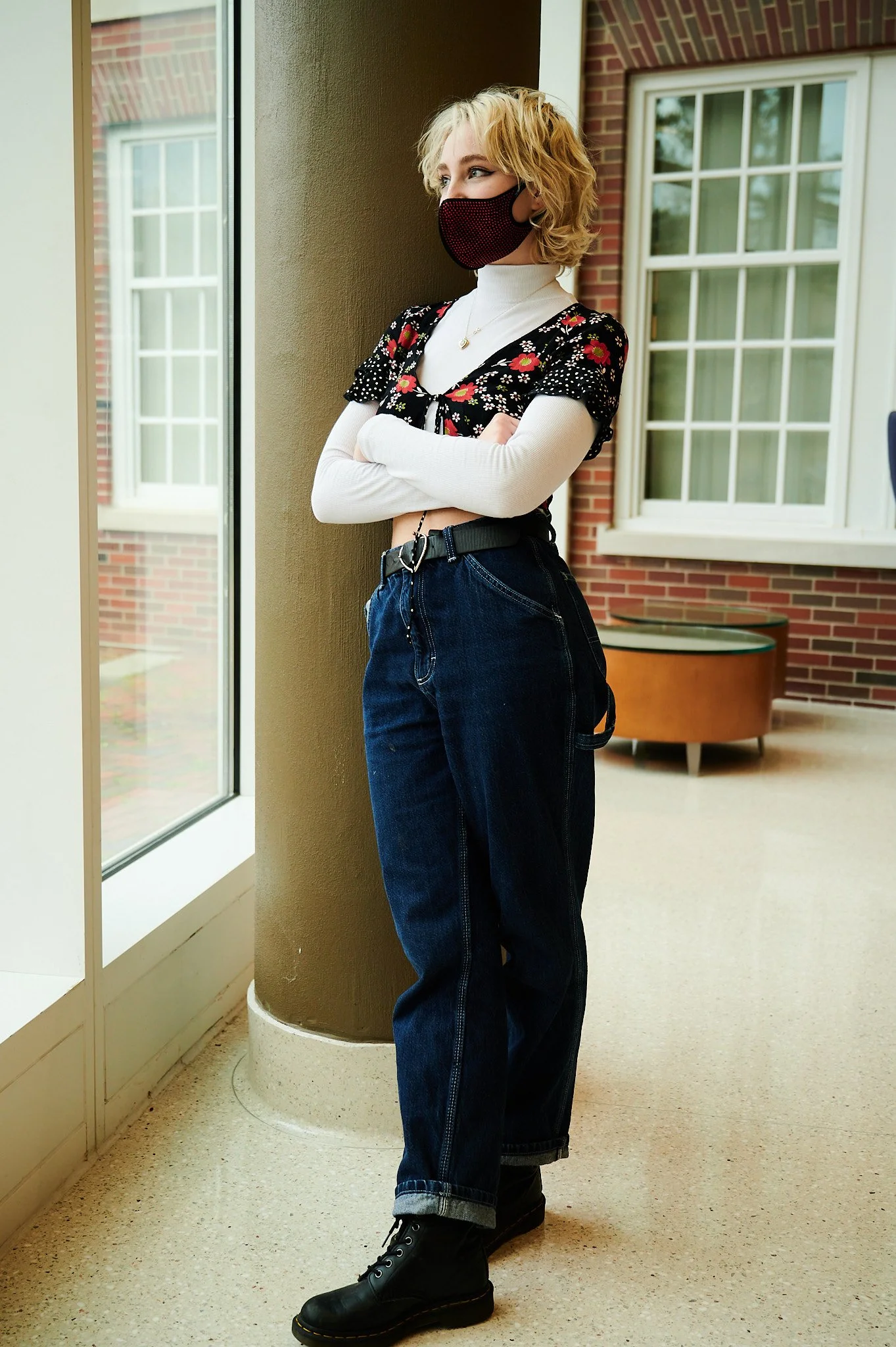
So, where do face coverings currently stand in the U.S.? Robinson and Hamidullah each said it would be nice to see this norm catch on, with Williams sharing the sentiment.
“I think that most people are not going to be producing the masks anymore unless it comes down from the runway where designers are incorporating masks with beads or jewels or something like that,” Williams said. “If celebrities are wearing them, then I think common, everyday people will probably continue to wear masks, but I don't think it will be as prevalent unless another health crisis arises.”
Unless more people get behind the idea of masking when sick, it seems that masks, even the fashionable ones, are not here to stay.
Masks have been on the decline since COVID-19 regulations were rolled back in 2022. As flu season approaches, there may be a rise in individuals choosing to mask to protect themselves, though. Cloth masks might not be as effective as N95 masks, but they can still reduce the spread of germ particles while allowing everyday tasks to be completed. Choosing to wear a facial covering is an individual choice, and it’s still there for each person to make for themselves.