THE ‘OTHER’ED WOMAN
Perceptions of Presidential Affairs
BY GABRIELLE CABANES ILLUSTRATIONS BY CASSIDY WOODS
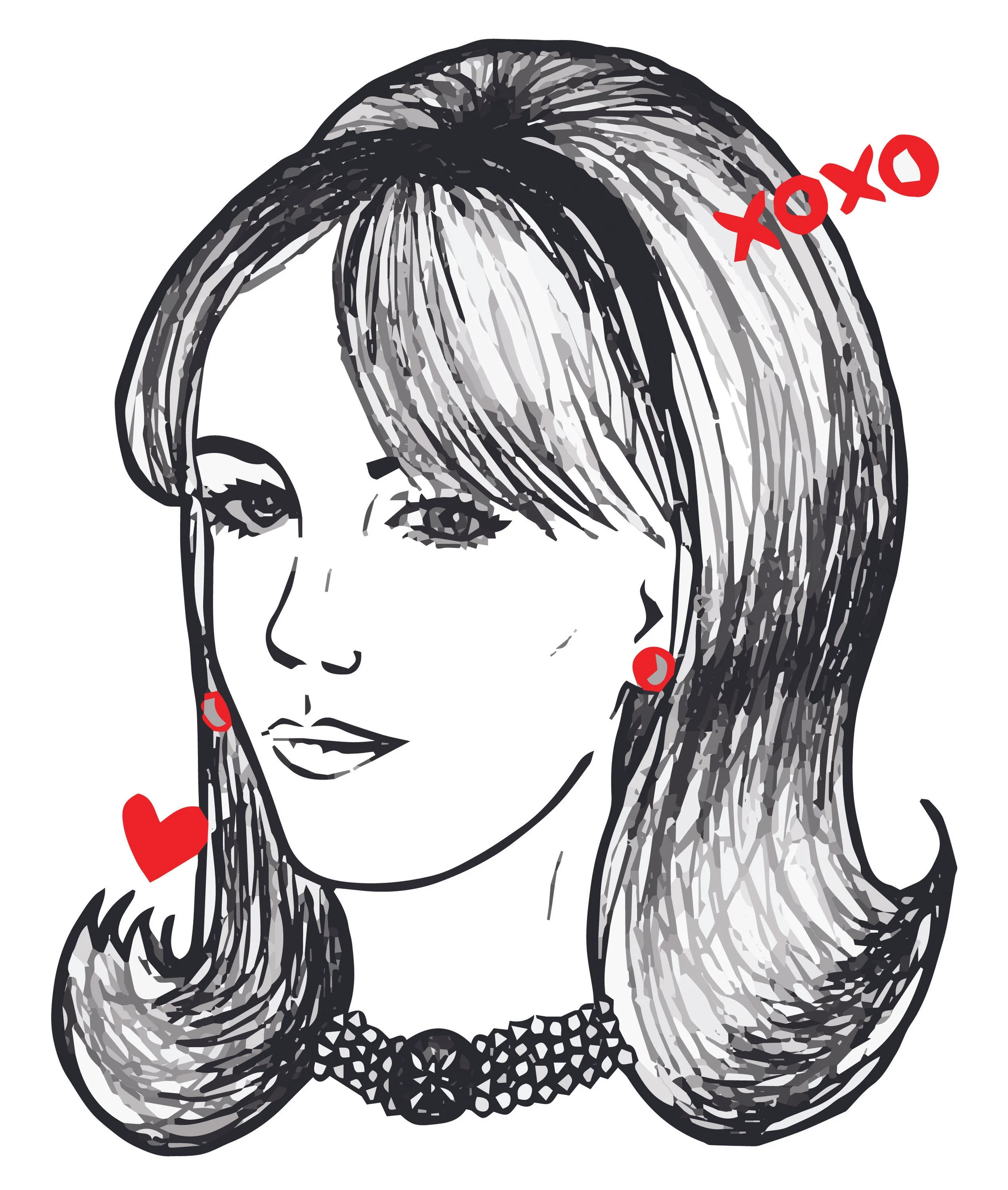
A few notable presidents are known to have had very scandalous and public affairs. Whether it was John F. Kennedy and Marilyn Monroe, Bill Clinton and Monica Lewinsky, or Donald Trump and Stormy Daniels, modern history has seen a fair share of presidential scandals surrounding unfaithfulness in marriage.
Patty Stokes, an associate professor of instruction of women’s gender and sexuality studies at Ohio University, said there is a huge tendency in society to blame the other woman instead of the man.
However, Stokes said Bill Clinton’s impeachment set a new precedent. Although this was not the end of presidential affairs, it proved a president could be reprimanded for his actions.
Lewinsky, the former mistress of former President Clinton, appeared in a TED Talk during which she spoke about the shame she felt during her scandal with the president. According to The New York Times, she spoke about the humiliation she faced in the media with name-calling and slut shaming.
“I think one thing that our society does — and I think it does this more when it’s the man who’s the cheater than the woman — is to blame the other party for decisions that were actually two people's decisions,” Stokes said. “I think we see that dynamic oftentimes in politics, too, where there’s an attempt to redeem the man.”
Stokes said because of the sexual double standard, female politicians often understand that a scandal like that would affect their careers and their reputations more than if they were a man.
“I don’t want to say I would imagine female politicians to be more ethically or morally upright, but I think they understand the penalties for not putting forth a certain image will be swifter and harsher than they’re likely to be for male politicians,” she said.
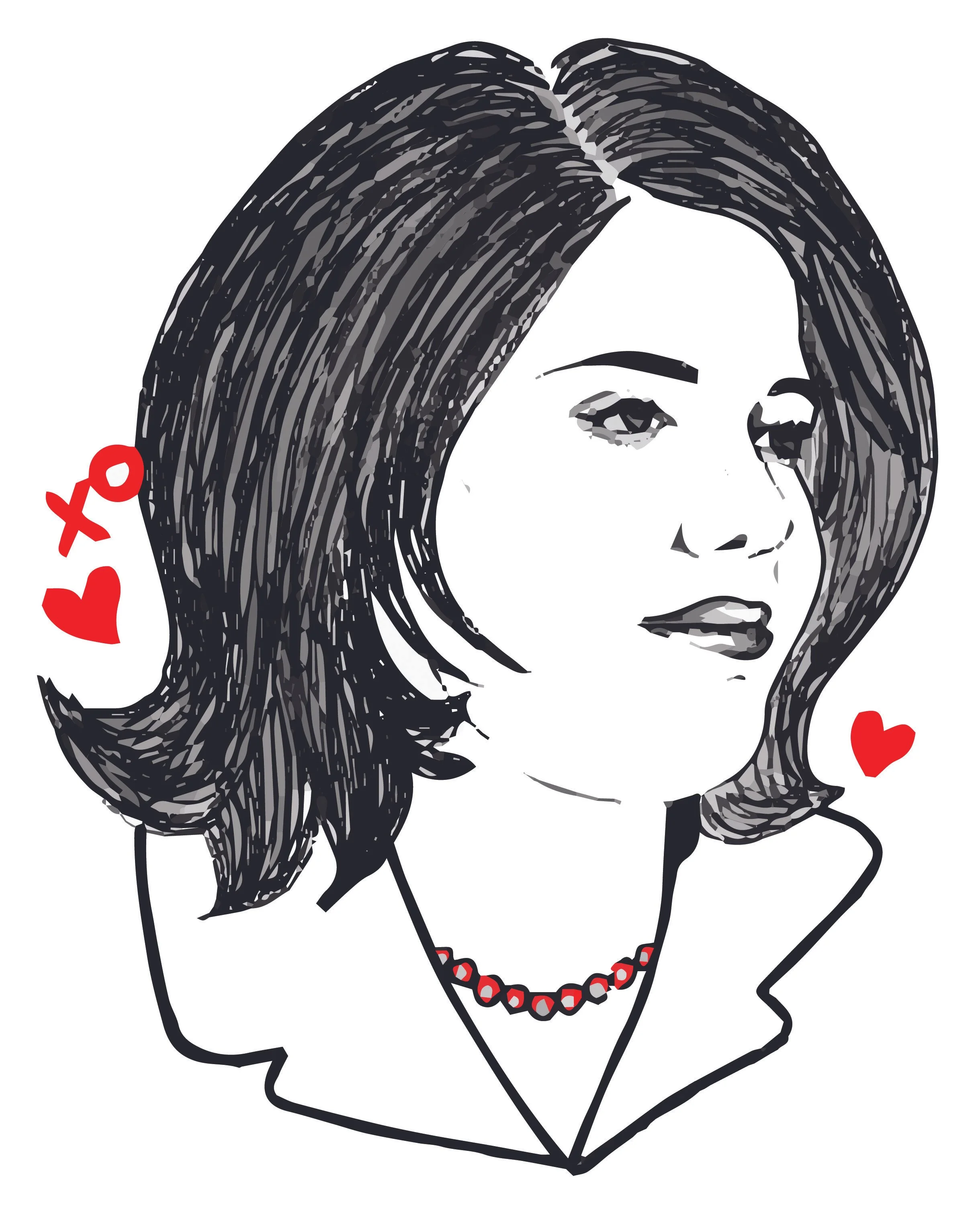
Stokes said the blame is also put on the wife of the president no matter what she decides to do, like Hillary Clinton, for example. Hillary Clinton also had political goals, and staying with her husband would’ve helped her achieve those goals. However, some women shamed her or lost respect for her because she did not stand up for herself.
Chester Patch, a professor of history at Ohio U, said John F. Kennedy’s affairs did not start in the White House, and he was not the first in the family to be accused of cheating on his wife. His father, Joseph Kennedy, was notoriously known for having back-to-back affairs, including one with Hollywood actress Gloria Swanson.
John F. Kennedy’s rendezvous, including those with Marilyn Monroe, were carried out in a house in Santa Monica, which made it easier than going to a hotel. Patch said there was a problem with learning more about the specifics of John F. Kennedy and Monroe because neither of them wrote an account of what happened, so the details were often blurry.
“One of the problems with the information about Kennedy and his affairs is that we don’t always have the good detail, reliable stuff that we do for other things that he did or even some affairs,” he said. “Marilyn Monroe never wrote an account of any affair she had with John F. Kennedy, so an awful lot of that comes from other people’s accounts, or inferences, and sometimes it’s speculation.”
Jackie Kennedy knew about her husband’s affairs but chose not to say anything. Patch said Monroe being seen as a sex symbol resembled the way Kennedy was also seen by the public in different ways. As a result, the one with Monroe did not put his presidency in jeopardy.

“Kennedy was hardly alone in his infidelity at all,” Patch said. “It happens all the time. It happened and it continues to happen. It hurt Jackie for sure. How you assess it has something to do with the standard you use and the moral compass you carry. When the relationships start to have those kinds of political possibilities and implications, that's when it becomes more directly related to his performance.”
Zoe Duncan, a sophomore studying art history with a certificate in women’s gender and sexuality studies at Ohio U, thinks power structure plays a role in why presidents can have affairs without always being reprimanded.
“Imagine being a president and knowing you have all this power and knowing it’s probably hard for people to say no to you,” she said. “I think it definitely has to do with the way gender is structured in terms of who has power and who doesn’t, and that’s elevated when you have literal political and social power.”
She said it’s important for people to look at their gender biases and how the different parties involved in presidential affairs are portrayed.
“I think we should focus on examining how our gender biases play into the way we view the people involved because I feel like a lot of the times the other woman is unfairly demonized,” she said.