PERSONAL PASSION THROUGH QUEER FASHION
BY JACKSON MCCOY PHOTOS BY MADDIE JAMES
The world of fashion has long seemed like a welcoming professional space for LGBTQ+ people, but that hasn’t always been the case for all queer folks. In recent years, with more women, nonbinary individuals, and people of color rising to prominence in the fashion world, it is becoming more welcoming to something that has played an integral role in its foundation: queer fashion.
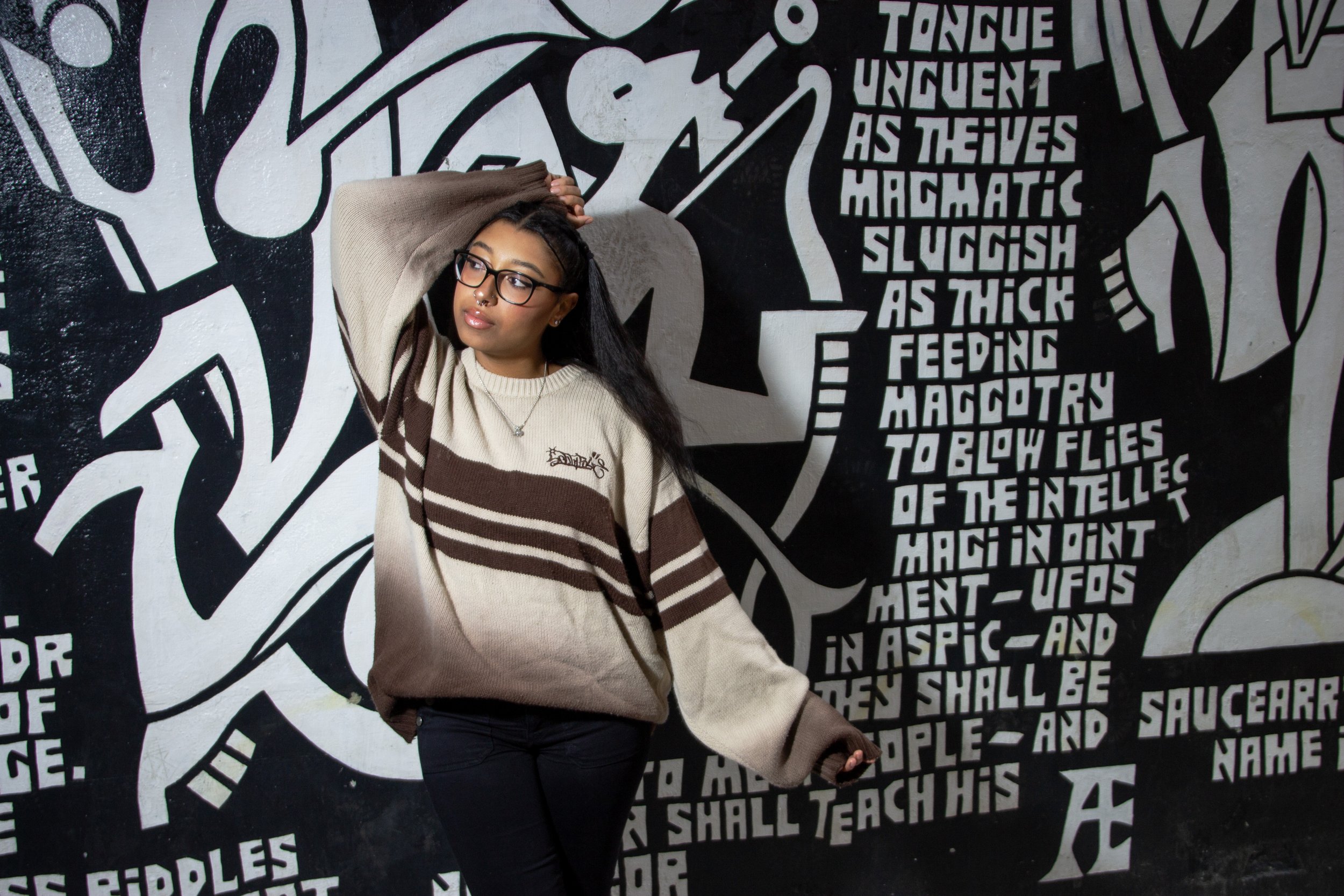
The concept of queer fashion usually revolves around the defiance of traditional ideas of gender roles and sexuality, but the actual styles and trends that fall into this category are ever-changing. Fashion historians cite figures ranging from Joan of Arc to Chevalier d’Eon as prominent historical figures who wore clothes defying their assigned gender’s societal roles at a time when this was uncommon.
Ohio University is no stranger to queer fashion. With a thriving LGBTQ+ presence on campus and in Athens, students are given the opportunity to express their own identities through their clothes.
Seeing students expressing themselves, their sexualities, and gender identities through their style can be a major green flag for newcomers to Ohio U. Laila Christian, a freshman studying music composition, has seen queer fashion on campus since she arrived in late August.
“I see a lot of people walking around Athens and their little friend groups, and you can clearly tell that they're queer,” Christian said. “In their Doc Martens and their cardigans … you just kind of know. Yeah, it's not a vibe — it's a way that people present themselves.”
Professors at Ohio U — both straight and otherwise — have also noticed queer fashion trends on campus. Dr. Kelly Ferguson, an associate journalism professor, has noticed many of the clothes she sees students wear in her classes hide features that would identify their gender assigned at birth.
“I see [students] layering very clunky, baggy clothes that sort of take away [their silhouettes],” she said. “I don't know if you have shoulders or breasts or hips or whatever because you're just dressing in this loose kind of post-pandemic jammie fashion.”
For many people, identifying specific aspects of queer fashion is hard. It might even seem arbitrary; why put limits on your ability to express yourself? The point of queer fashion is expression, so placing a strict definition of what is and is not included in it is contradictory to what many feel is central to its theme.
That is the case for Rosie Mogford, a sophomore studying sociology at Ohio U. They use their own style to share clothes they like, and whether that aligns or defies a gender norm is not as important.
“I identify as nonbinary even though I'm AFAB (assigned female at birth); I still associate quite closely with femininity,” they said. “I feel like in my personal expression, I like to present femininity in a way that isn't quite so traditional.”
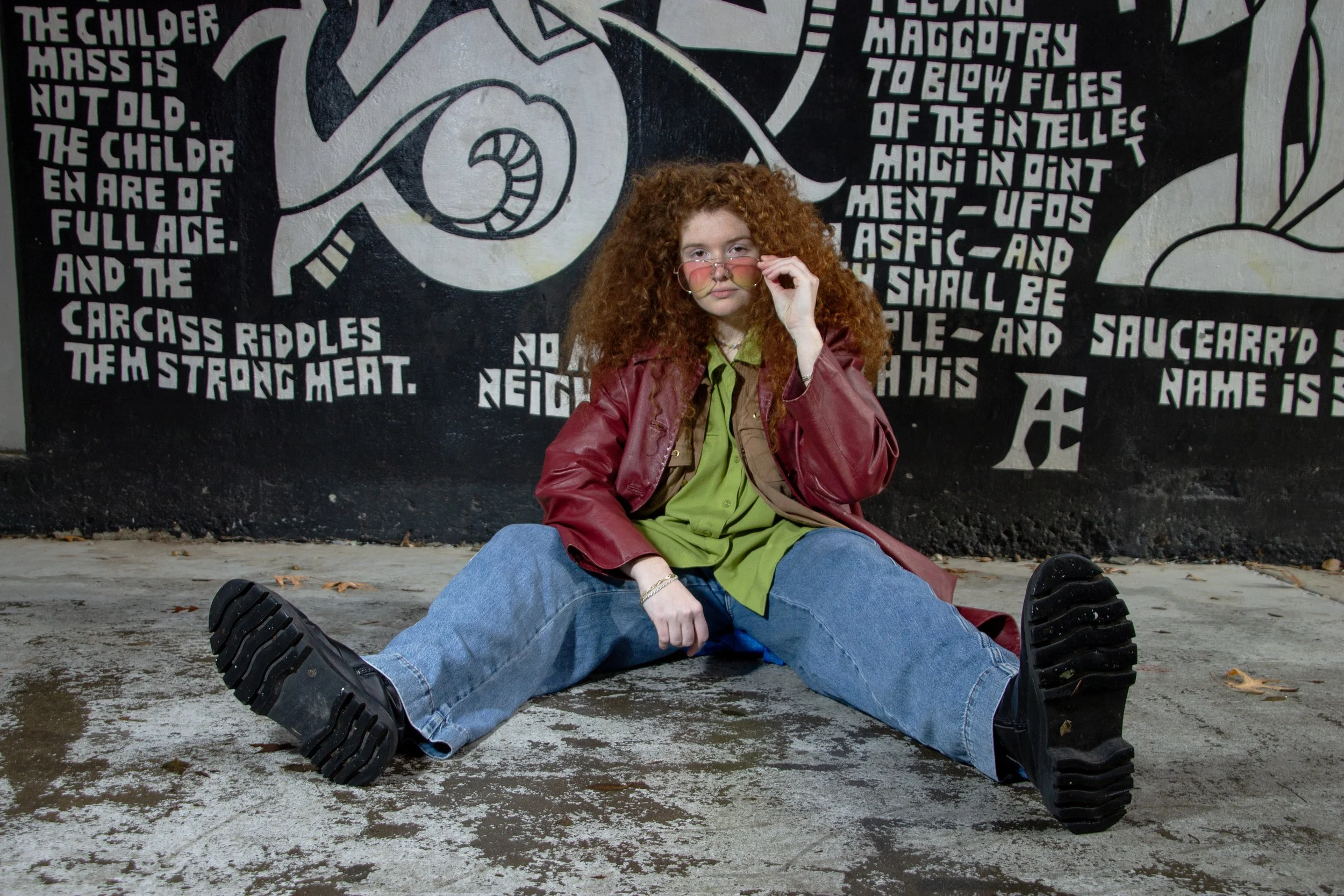
Many high fashion brands have made queer visibility and style a major part of their runway shows. While the world of fashion has always been welcoming to white gay men, it hasn’t always been welcoming to POC, women, and nonbinary models and designers. However, brands like Batsheva, Puppets & Puppets, and Collina Strada have made it a point to include models across the gender identity and body type spectrum and cast more diverse models.
Queerness in the world of high fashion is interesting to some, but it often has much less of an impact on people than streetwear. Dr. Edmong Chang, an English professor and Women, Gender, and Sexuality Studies affiliate professor at Ohio U, said he appreciates many aspects of everyday queer fashion.
“I'm really interested when people mix together things that are just doing funky weird things,” Chang said. “A little bit of, ‘I'm just going to add a touch of something.’ Anything that has a lot of volume. So like giant wraps or shawls or big scarves or house dresses, muumuus, kaftans, all that stuff.”
Several designers have taken these ideas of queer fashion and made it their own, providing people with unique streetwear options. Victor Barragán uses edgy patterns to compliment their flowy designs, and their 1990s-inspired pieces give people of all identities a variety of options.
Nicole Zïzi’s commitment to sustainability and providing a livable wage to her employees is a proud stance against fast fashion, and her designs are even more authentic because of it. The queer-owned brand Chromat provides swimwear and athletic wear for LGBTQ+ individuals of all body types and brings unisex designs to a sect of the fashion industry that often emphasizes traditional gender expectations.
Though actually defining queer fashion may be difficult, spotting style icons in the genre is not. From Kurt Cobain donning a patterned dress in the ‘90s to André Leon Talley’s flowing capes to Gregg Araki’s campy outfits in his films, there is no shortage of inspiration.
Ohio U students and faculty cited a number of their own first-pick partakers in queer fashion. Actors like Billy Porter and Marlene Dietrich are fan favorites, and musicians Janelle Monáe and David Bowie were also mentioned. Celebrities often bring visibility to queer fashion, and their red-carpet appearances often provide LGBTQ+ individuals with someone to look up to and draw inspiration from.
However, more celebrities who do not identify as queer have begun wearing queer fashion. It has led to an upward trend of cisgender, heterosexual people wearing clothes and accessories that are traditionally worn by the queer community.
While that is not an inherently bad thing, many people who identify as queer have mixed feelings on the subject. There is often a differing societal reaction to straight people partaking in queer fashion than there is to LGBTQ+ people doing the same.
“My problem with queer fashion becoming mainstream is that it's becoming a very specific type of queer fashion,” Mogford said. “I feel like a lot of AMAB (assigned male at birth) people have their little pearl necklaces on and I'm happy for them. I'm happy that traditional masculinity isn't all that's expected from people. But it's definitely a little bit frustrating because, especially as a girl, if you dress in a way that's not expected of an AFAB person, you're faced with a worse reaction.”
Indeed, the pearl necklace example is very prominent. In queer spaces, pearl necklaces were usually worn by people of color. Most notably, Marsha P. Johnson was often adorned with pearls. Now, pearl necklaces are worn by white men; Harry Styles, Shawn Mendes, and Vinnie Hacker have all taken part in the pearl necklace trend.
The concern from LGBTQ+ people is that the contributions made by queer activists and people of color will be forgotten. The most popular influencers are held in high esteem for doing things with their clothes that queer people have been doing for years, and are often the ones considered to have started the “trend.” People like Grace Jones, Little Richard, and Antonio Lopez have been doing these things for decades, yet they’re very rarely talked about outside of queer spaces.
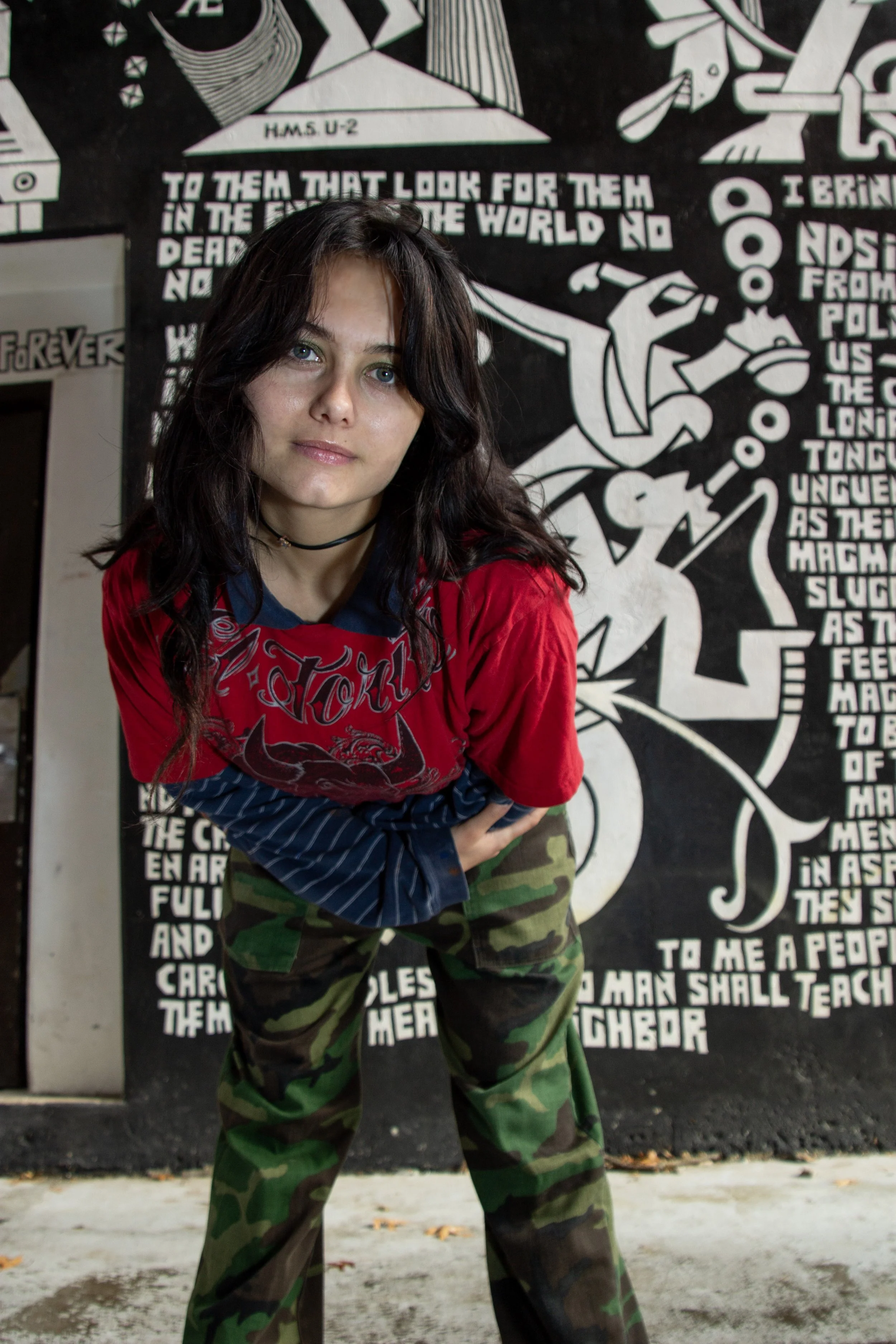
This is not to say that all straight white men wearing pearl necklaces are doing something wrong, or that straight people who wear queer fashion have an easy time. Even straight men wearing clothes and accessories usually reserved for queer people receive pushback from people with conservative ideas of what gender should be. All people wanting to wear queer fashion still have to have a level of awareness of what environment they are in when deciding what to wear.
“I think people are still very conscious [of what they are wearing],” Chang said. “This is true of all clothes and all presentations, right? Are you in a space where it is accepted? Or are you in a space that's safe enough for you to do it? I've seen so much social media around straight cisgender men getting so much flak. For example, just painting their nails … it would be really great if we lived in a world where people just wore clothes.”
Queer fashion often works as more than just a way to express oneself, though. Historically, different piercings, boots, and many other things have been used by queer folks to tell people in the LGBTQ+ community how they identify. While non-queer people often assume the modern-day equivalent of this is Pride Month paraphernalia, that is not the case.
“I feel like we've defined ourselves through our styles so much that you can easily look at someone and tell, ‘Oh, they're queer,’” Christian said. “You don't have to be wearing rainbows and rainbow sunglasses and shirts that say ‘out and proud.’ I feel like through expressing yourself and being creative and just wearing whatever you want, that’s just queer in itself.”
Generation Z is statistically the most queer generation, which has led many people to begin rethinking the idea of queer fashion and what it truly is. Previous generations were forced to have a code in order to hide in plain sight, but Gen Z is lucky enough that this is not necessary. Now, queer folks are left wondering if the term “queer fashion” defines specific styles, if it is just a vibe people give off, or if it even matters.
“To a lot of people, the point [of queer fashion] is to resist identity,” Ferguson said. “What is fashion? It means you wear whatever you want, right? You should be like a five-year-old kid and just say, ‘Oh, this looks cool.’ We should all just be able to say that if that looks cool to us, we want to wear it. We should all wear it without getting [backlash].”